Mewes: A Mascot for Creativity
Resources
Downloadable Images
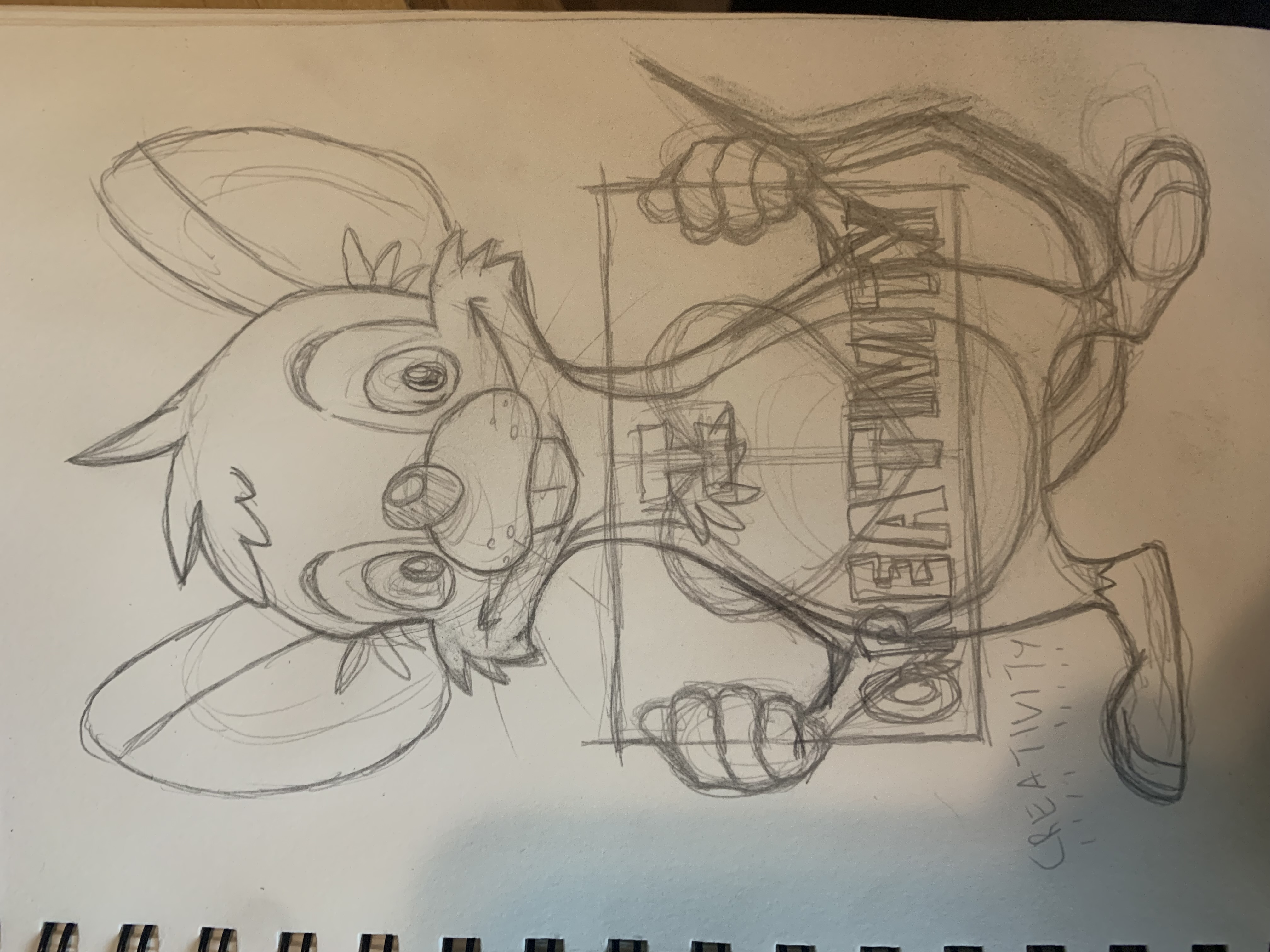
Pencil Outline
Flat JPG
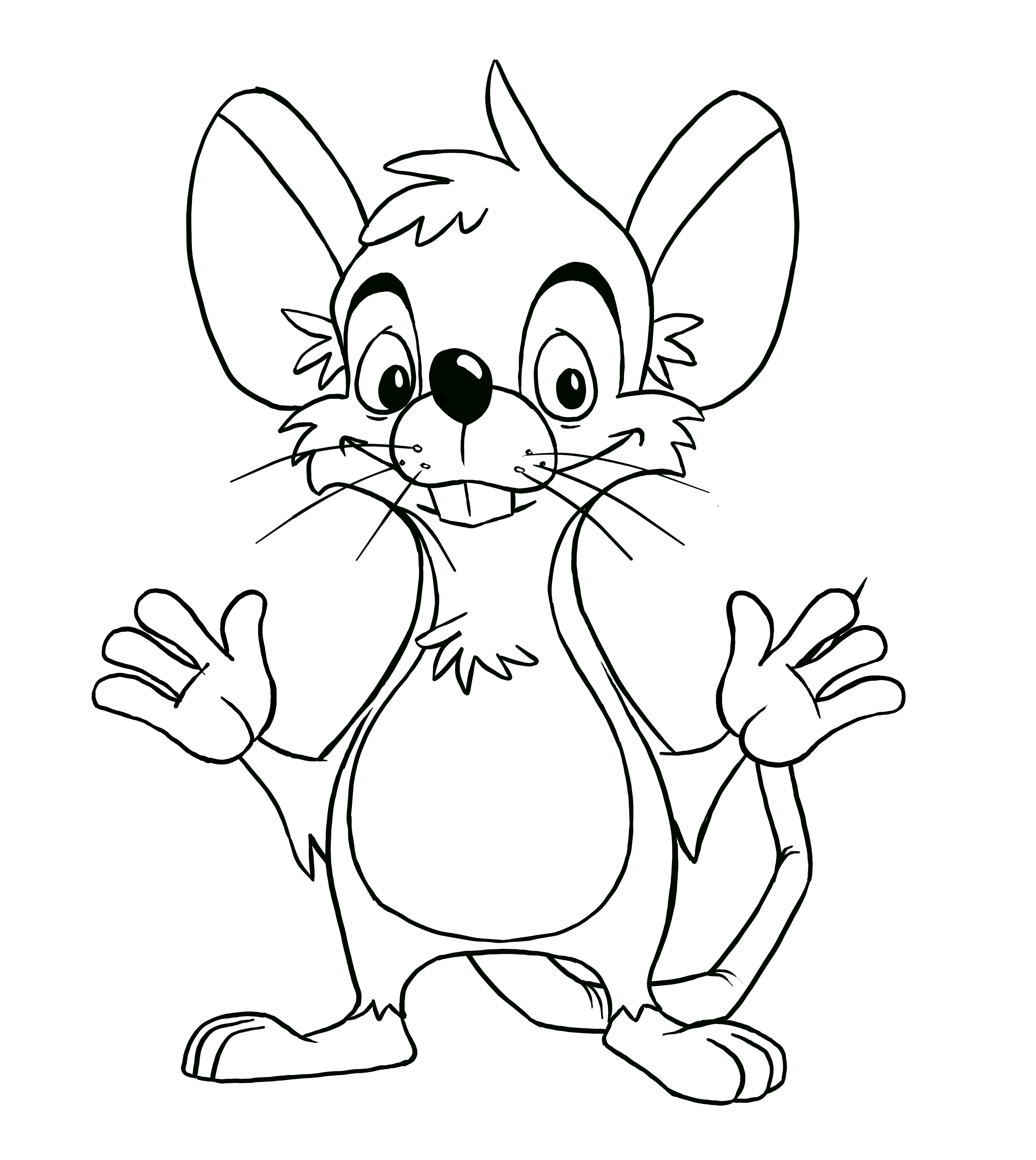
Outline Only
Flat PNG
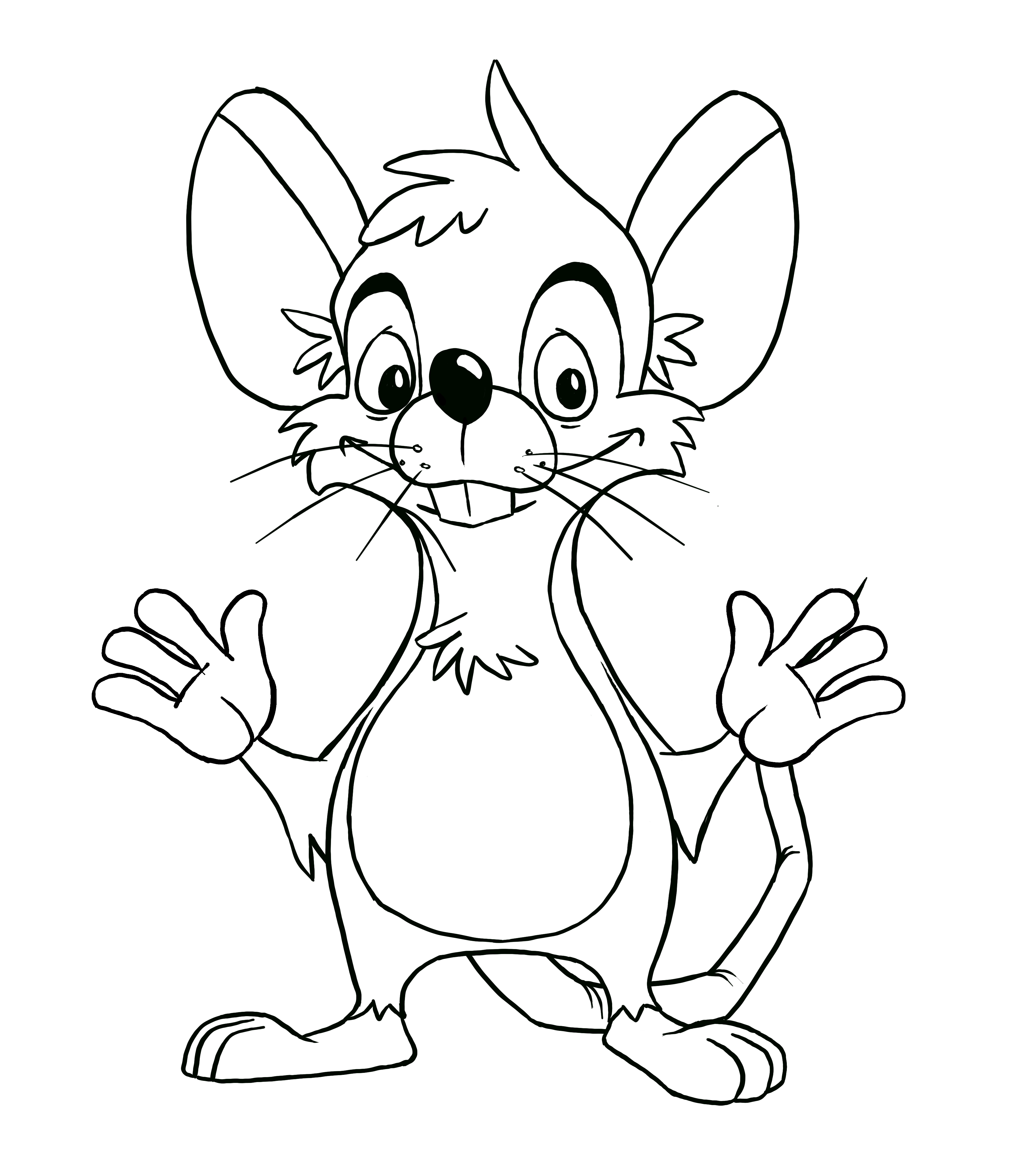
Outline Only
Transparent PNG
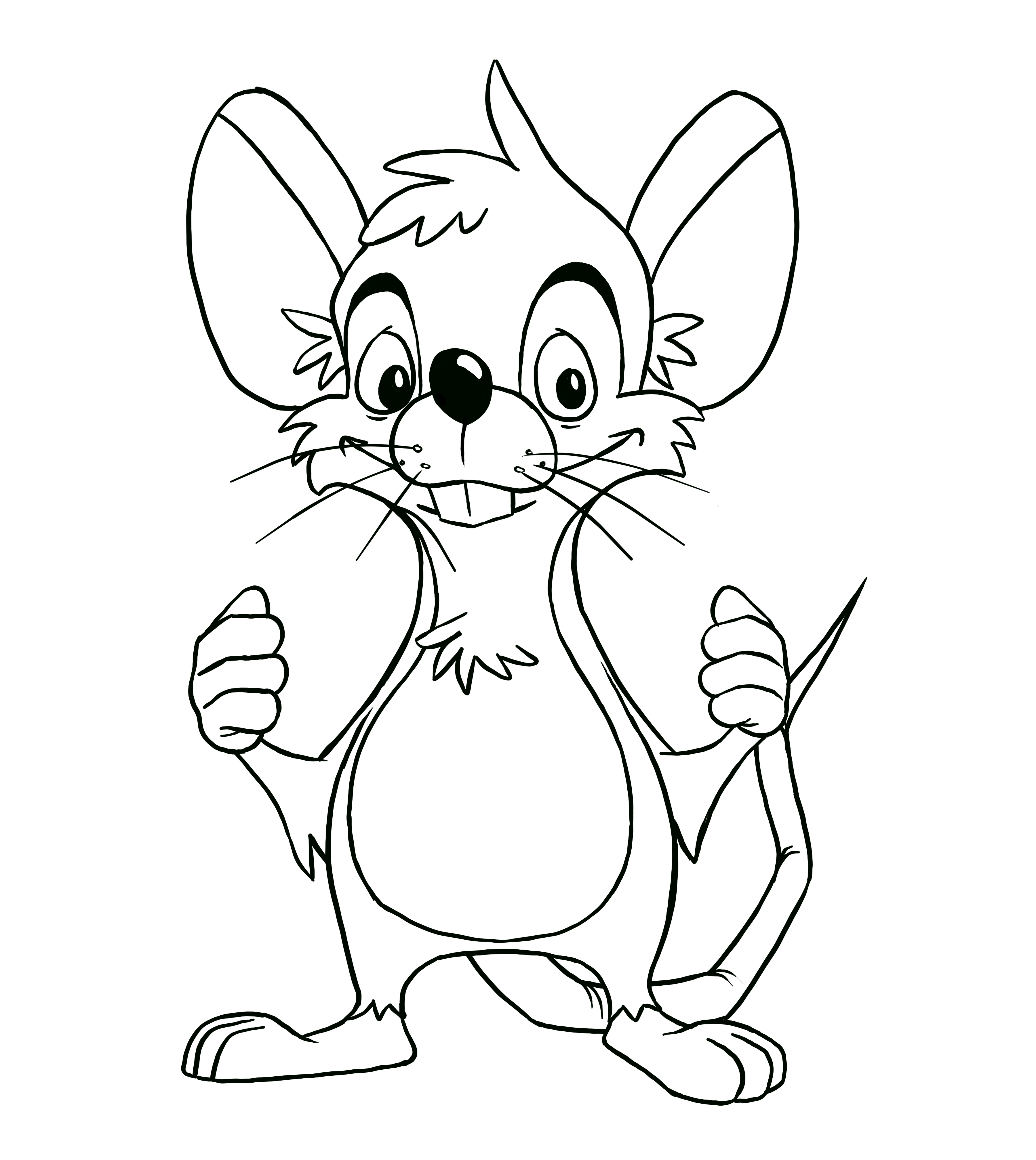
Outline Only
Flat PNG

Outline Only
Transparent PNG
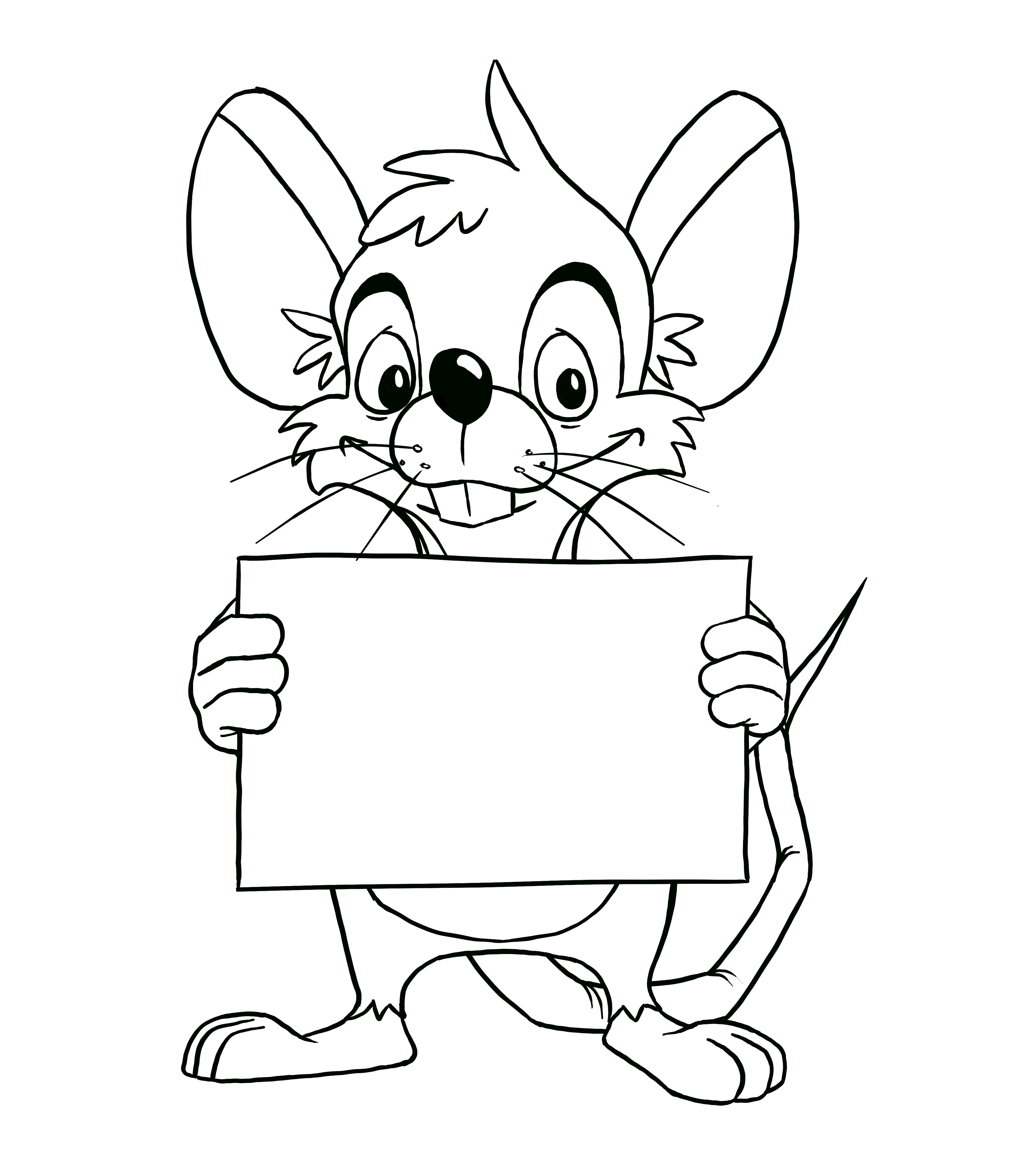
Outline Only
Flat PNG
Outline Only
Transparent PNG
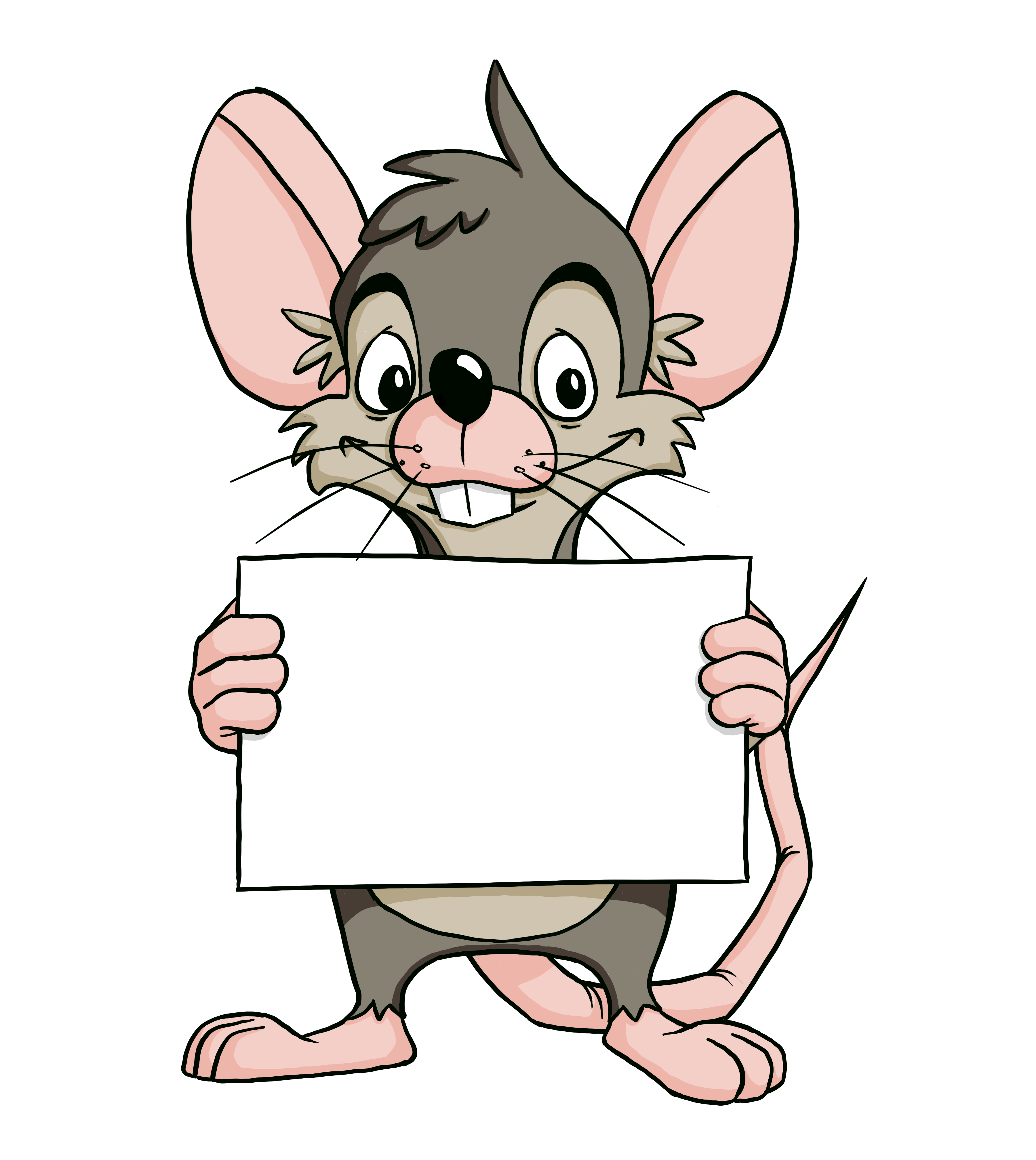
Cel-Shaded Color
Flat PNG
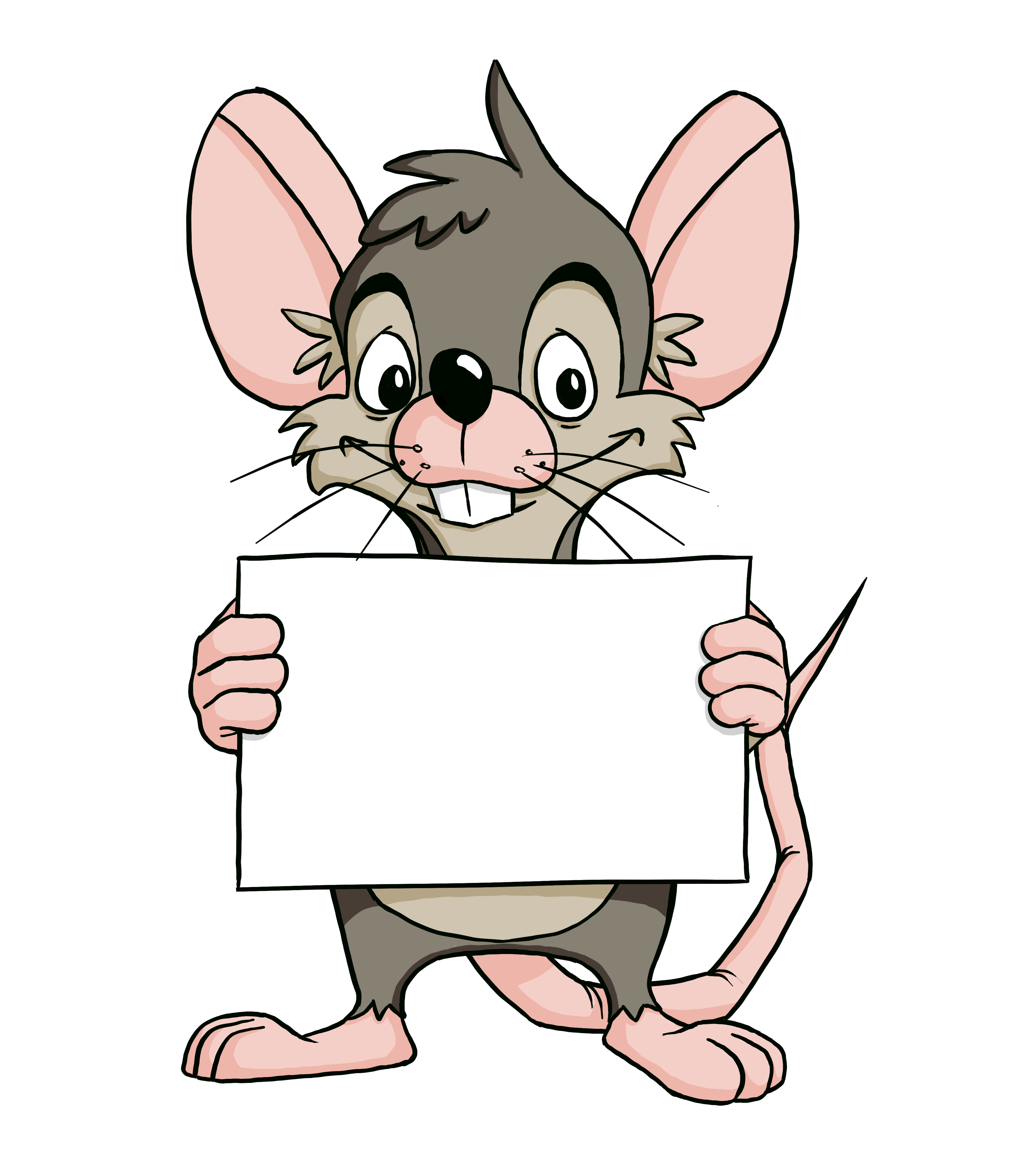
Cel-Shaded Color
Transparent PNG
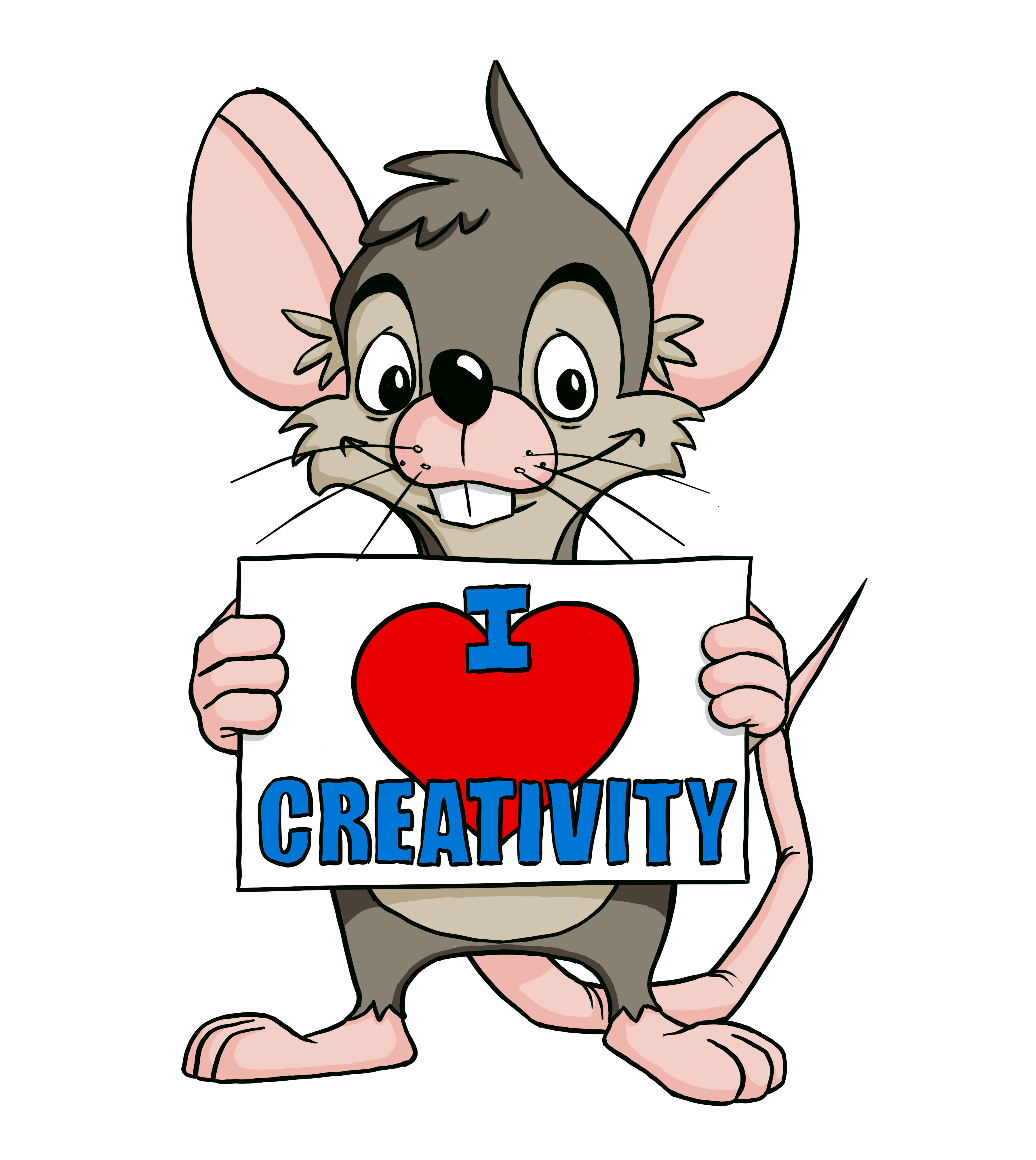
Cel-Shaded Color
Flat PNG
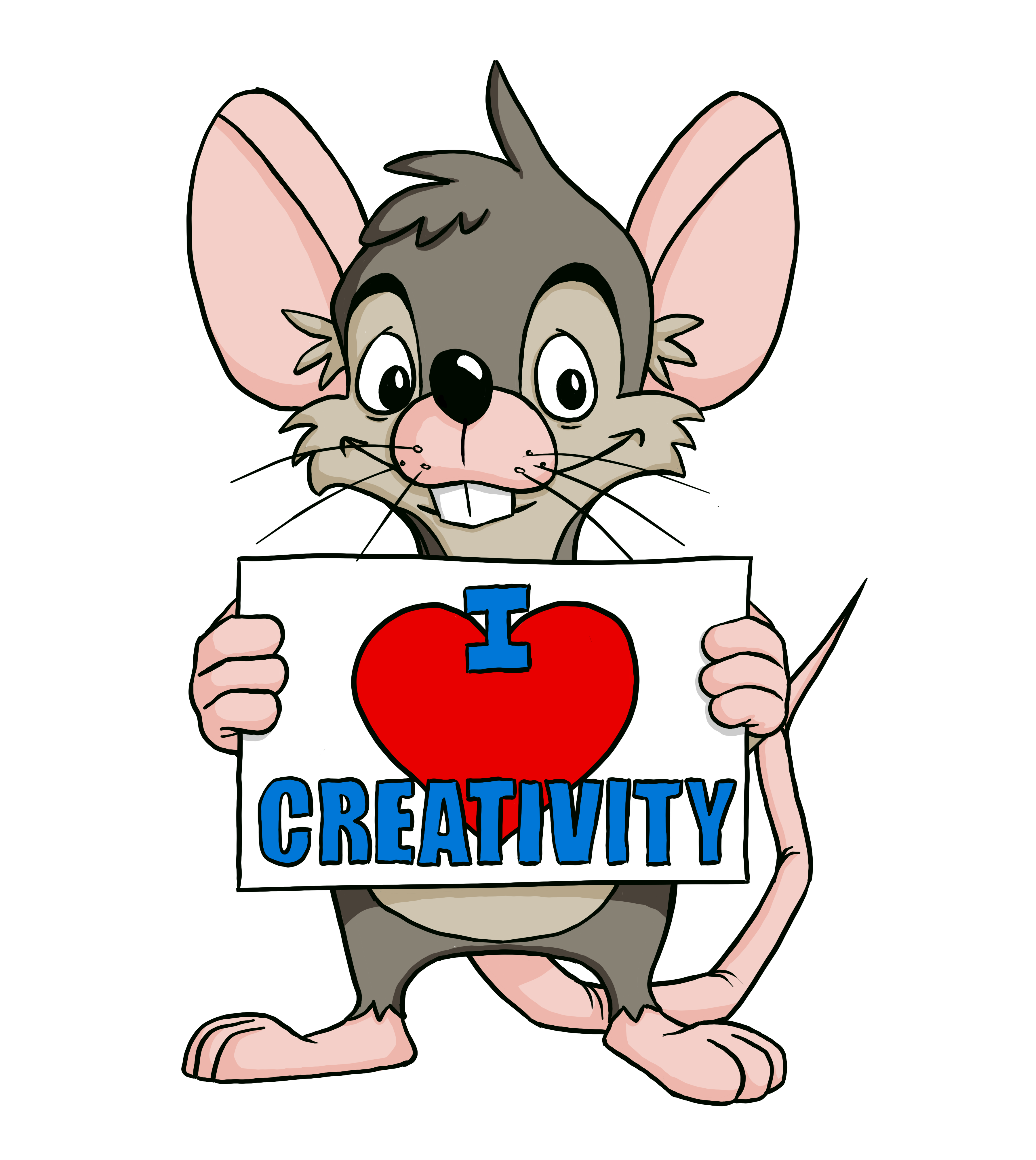
Cel-Shaded Color
Transparent PNG
Available on Wikimedia Commons soon
Submit your own versions soon
Palette
| Darker Fur: | #868175 | | | Shadow: | #4a433b | ||
| Lighter Fur: | #cdc5b3 | | | Shadow: | #b4a88d | ||
| Flesh: | #eed0c9 | | | Shadow: | #e5b8ae | ||
| Lettering: | #0075d0 | | | Shadow: | #0075d0 | ||
| Heart: | #d40000 | | | Shadow: | #d40000 | ||
| Sign, Eyes, Teeth: | #ffffff | | | Shadow: | #cccccc |
Downloadable File Formats
| Adobe Photoshop (coming soon) | Download .PSD |
| Adobe Illustrator (coming soon) | Download .AI |
| Blender (coming later) | Download .BLEND |
| Aseprite (coming later) | Download .ASEPRITE |
Submit your own versions soon
Physical Artifacts
| Hand Drawn Pencil Sketch Original Art (coming later) | Order Online |
| 3D Printed Figure (coming later) | Order Online |
Submit your own versions soon
Creative Existential Systems
Domain
Academic field or creative realm
Visual Form and Image
Sight and spatial composition
Language and Narrative
Words, symbols, and story logic
Sound, Music, and Rhythm
Temporal, aural, and vibrational
Embodied Performance
Bodies in time and space
Material and Tactile
Hands-on transformation of matter
Utility and Application
Practical accessibility and usefulness
Systems, Games, and Play
Rules, interaction, or emergence
Conceptual and Abstract
Ideas as the primary medium
Scientific and Analytical
Explanation, discovery, and formal reasoning
Engineering and Invention
Function and work
Communication and Persuasion
Attention, belief, and understanding
Social, Cultural and Institutional
Human organization
Culinary and Sensory
Taste, smell, texture, and ritual
Meta-Creation and Curation
Creativity about creativity
Interdisciplinary
Crossing domains
Ontology
Origin, behavior, change, and control
Dimensionality
Spatial depth occupied and volumetric presence
- 2D: Exists on a flat plane (drawing, screen, print)
- 3D: Occupies volume in space (sculpture, model, VR object)
- Hybrid: Combines flat and volumetric space (2.5D games, reliefs, AR overlays)
Materiality
Matter and data
- Physical: Exists as a tangible object (canvas, clay, machine)
- Digital: Exists as data or software (image files, code, simulations)
- Hybrid: Moves between both (3D prints, projections on objects, CNC art)
Sensorium
Sensory channels addressed
- Visual: Seen (image, light, color)
- Aural: Heard (music, sound art)
- Tactile: Felt through touch or physical interaction
- Hybrid: Any combination (VR, musical instruments, interactive sculpture)
Temporality
Existsence and behavior in time
- Still: Static; no time-based change
- Animated: Changes over time (film, motion graphics)
- Hybrid: Mostly static with time-based elements (subtle loops, kinetic parts)
Generativity
Production of form
- Manual: Placed or crafted directly by a person
- Procedural: Generated by rules, algorithms, or systems
- Hybrid: Human sets rules, system produces results (generative art, parametric design)
Intentionality
Balance between control and chance
- Authorial: Fully intentional, composed, and fixed by the creator
- Aleatory: Driven by randomness, chance, or external inputs
- Hybrid: Artist defines boundaries, chance fills the gaps
Interactivity
Response to systems, time, or people
- Passive: Does nothing; simply exists
- Scripted: Follows a fixed sequence or logic
- Dynamic: Changes based on data, time, or environment
- Manipulated: Directly altered by users or performers
- Hybrid: Any layered combination (games, installations, live visuals)
Formation
Construction or removal of material
- Additive: Built up (painting, 3D printing)
- Subtractive: Carved or removed (sculpture, CNC milling)
- Assemblage: Combined from parts or found objects
- Hybrid: Multiple processes used together
Provenance
Relationship to the original medium or source
- Direct: The final object is the original medium (drawing, live code)
- Transfer: Copied or translated (prints, casts, recordings)
- Hybrid: Originals plus editions, scans, or remixes
Continuity
Structural nature of form
- Discrete: Built from units (pixels, voxels, polygons)
- Continuous: Smooth, volumetric, or field-based (clay, CAD solids)
- Mathematical: Defined by equations (vectors, splines, parametric curves)
- Hybrid: Most digital/physical pipelines
Closure
Finished object vs generative recipe
- Finalized: The piece is the artifact
- Instructional: The work is a set of rules to be performed or remade
- Hybrid: Fixed example plus a generative or performative score
Aesthetics
Visual-cultural style language: appearance, communication, and emotion
Referentiality
Resemblance to the physical world
- Realistic: Attempts to mimic real-world appearance and proportions
- Stylized: Simplified, exaggerated, or intentionally altered forms
- Symbolic: Uses signs or metaphors rather than literal depiction
- Hybrid: Blends literal, stylized, and symbolic elements
Linearity
Definition of edges and boundaries
- Outlined: Forms are bounded by explicit contour lines
- Lineless: Shapes are defined by color, light, or value changes
- Implied: Edges are suggested through gaps or negative space
- Hybrid: Multiple edge strategies in one work
Chromaticity
Complexity of color use
- Binary: Two colors or values (often black/white)
- Monochrome: Variations of a single hue (including greyscale)
- Limited Palette: A small, curated set of colors
- Full Color: Wide, natural or saturated color spectrum
- Hybrid: Multiple palette systems combined
Texturality
Illusion of depth and material on surfaces
- Flat: No lighting or surface variation
- Shaded: Uses light and shadow to suggest volume
- Textured: Shows material detail or surface irregularity
- Hybrid: Mixes flat areas with shaded or textured regions
Morphology
Underlying shape logic
- Organic: Curved, irregular, natural forms
- Geometric: Precise, mathematical shapes
- Hybrid: Organic forms structured by geometry or vice versa
Culturality
Embedded cultural references
- Culturally-Rooted: Draws from a specific tradition or culture
- Cross-Cultural: Mixes identifiable influences from multiple cultures
- Synthesized: Creates a new, culture-agnostic aesthetic
- Hybrid: Combines specific and abstracted cultural cues
Expressivity
Emotional and communicative intent
- Iconic / Pictographic: Simplified, sign-like, universally legible
- Expressive / Idiosyncratic: Personal, emotional, or unconventional
- Hybrid: Symbolic clarity fused with personal expression
Historicity
Era evoked
- Vintage: Evokes past aesthetics or techniques
- Modern: Feels contemporary or forward-looking
- Hybrid: Past and present aesthetics interwoven
Realism
Relationship to physical reality
- Naturalistic / Literal: Follows real-world physics and logic
- Fantastic / Surreal: Breaks or reimagines reality
- Hybrid: Realistic foundations with impossible elements
Other Systems
Semantics
Symbolism, narrative, theme, and metaphor
- Denotation vs Connotation
- Literal vs Allegorical
- Abstract vs Narrative
- Open vs Didactic
Experience
Perception and emotion
- Calm vs Intense
- Familiar vs Alien
- Playful vs Serious
- Comfortable vs Unsettling
Function
Utility, intention, and role
- Decorative vs Instruimental
- Informative vs Expressive
- Exploratory vs Goal-Driven
Socialization
Audience, context, and power
- Niche vs Mass
- Subversive vs Normative
- Private vs Public
- Sacred vs Profane
Cognition
Interpretive load and engagement style
- Intuitive vs Analytical
- Immediate vs Layered
- Transparent vs Obscure
Ethics
Impact and implications
- Neutral vs Provocative
- Inclusive vs Exclusive
- Harm-Minimizing vs Exploitative
Evolution
Lineage, mutation, and adaptation
- Stable vs Mutable
- Iterative vs Disruptive
- Conserved vs Experimental